Sennecey-le-Grand Castle
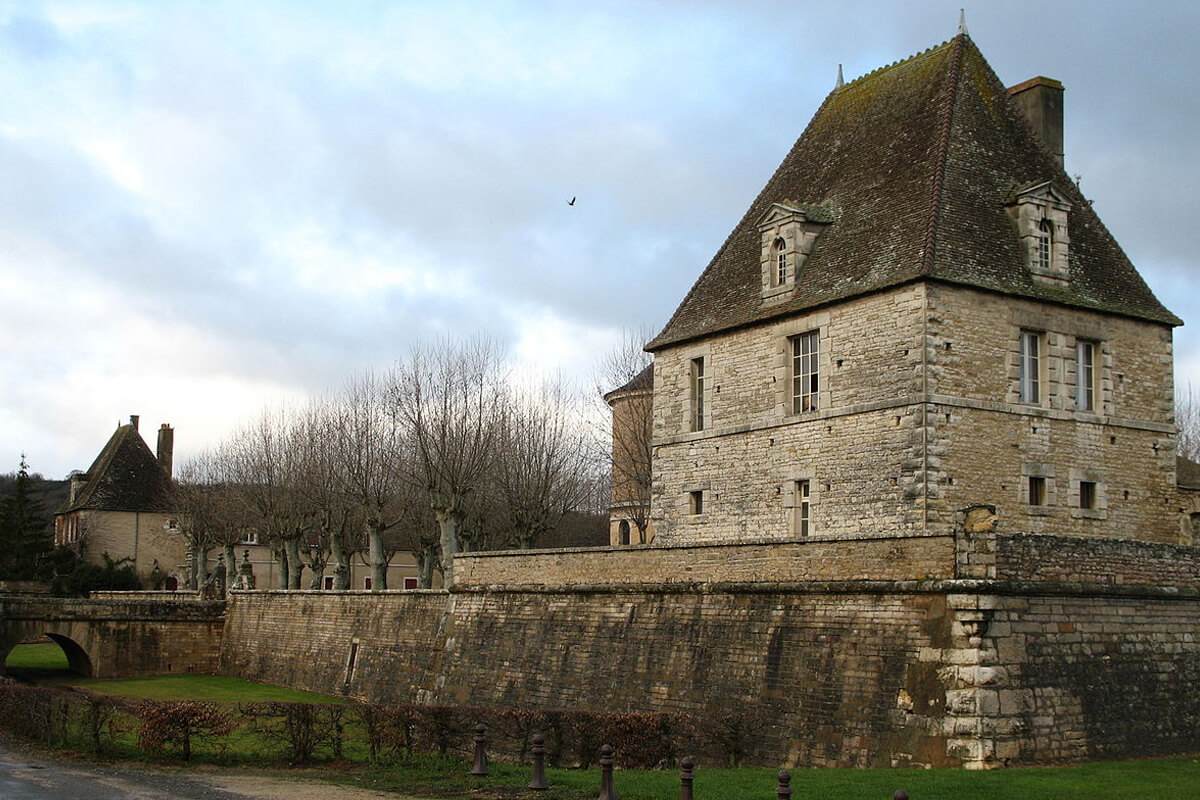
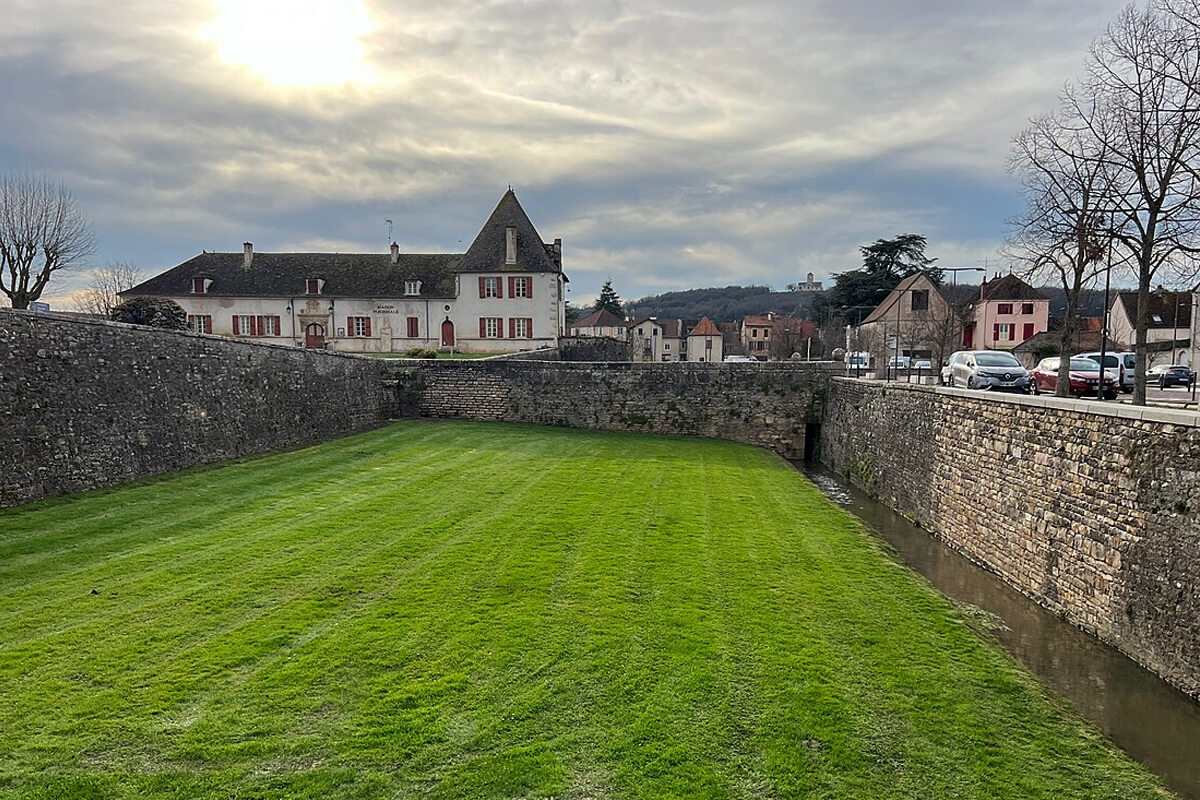
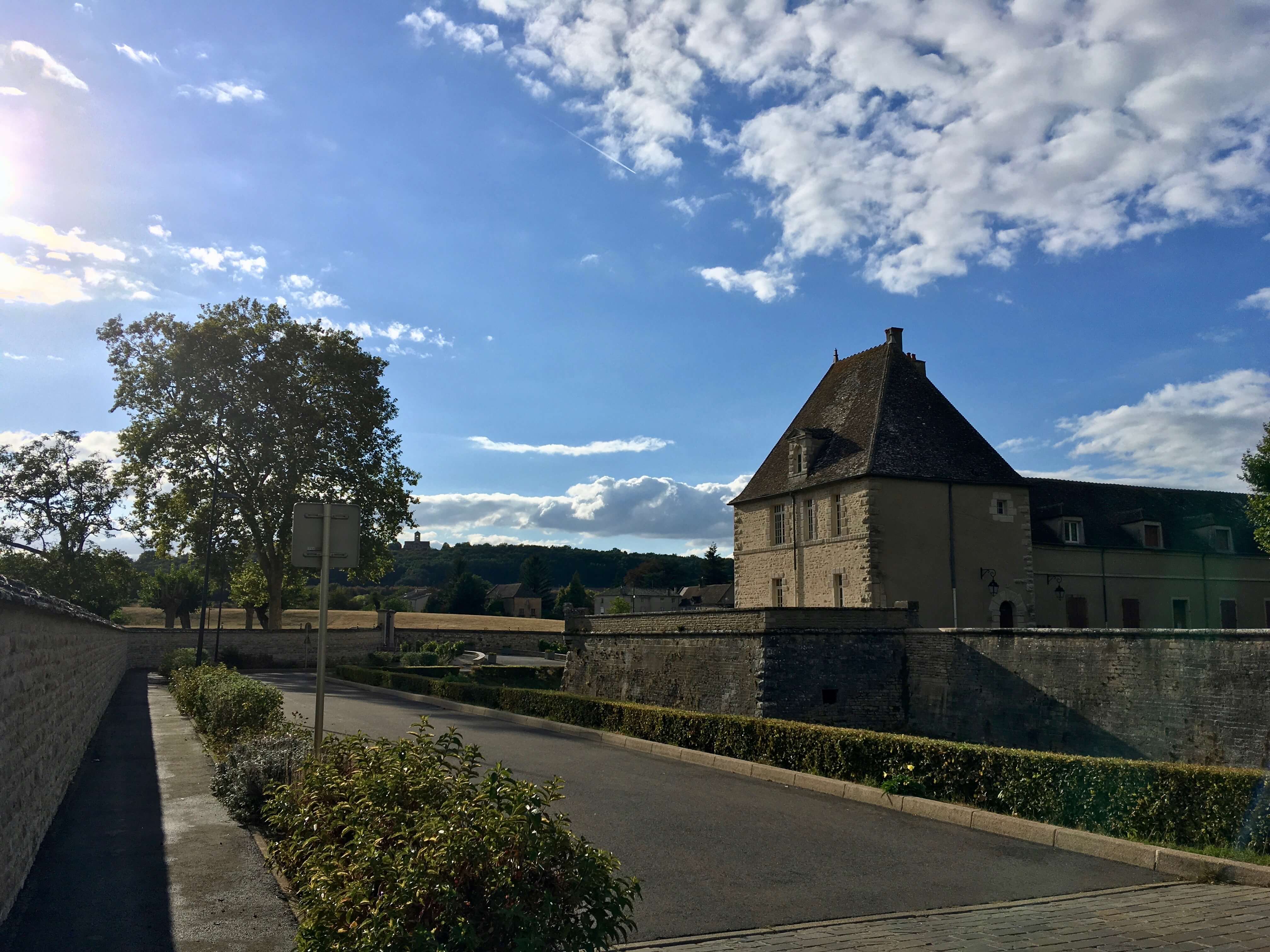
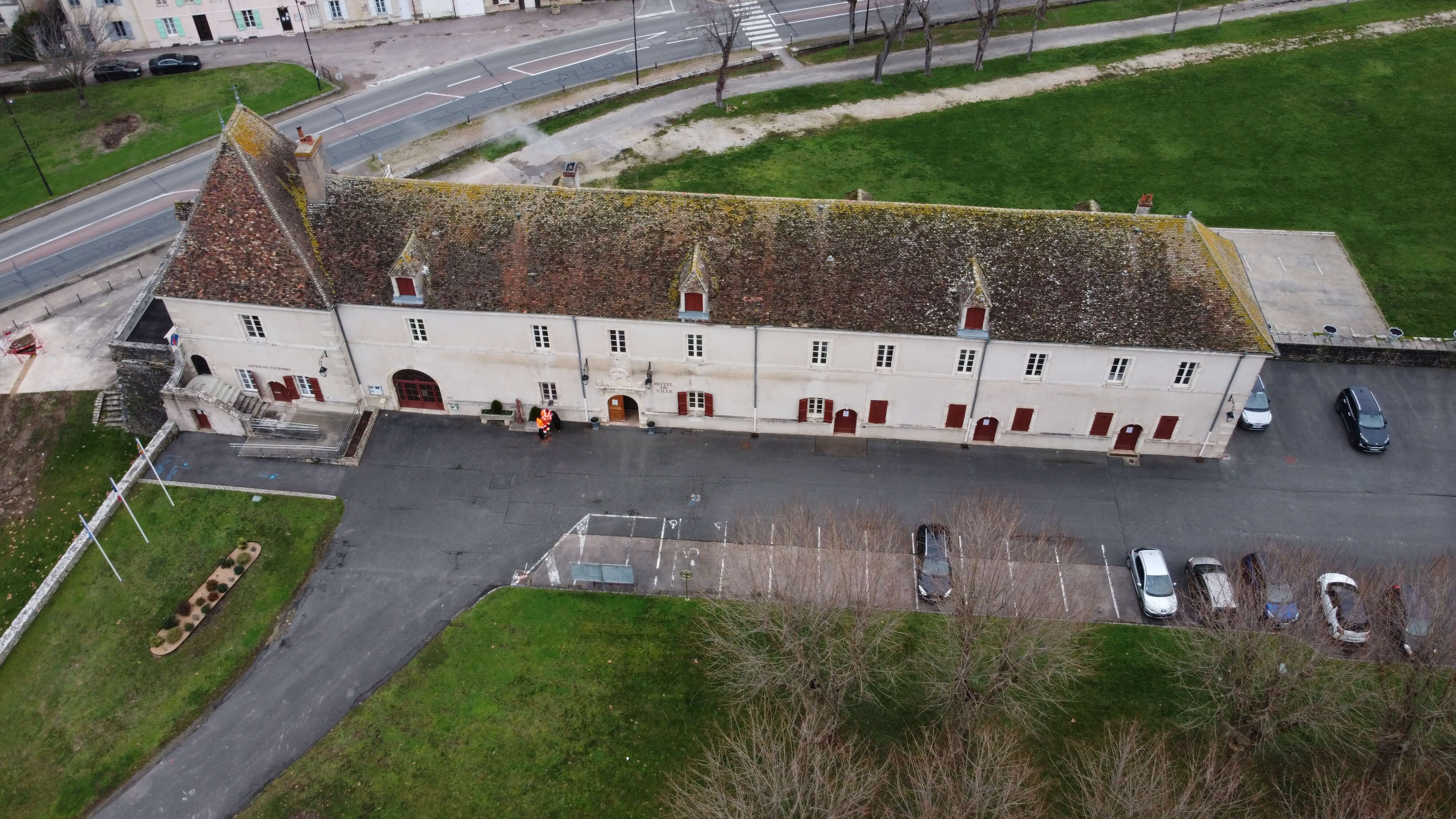
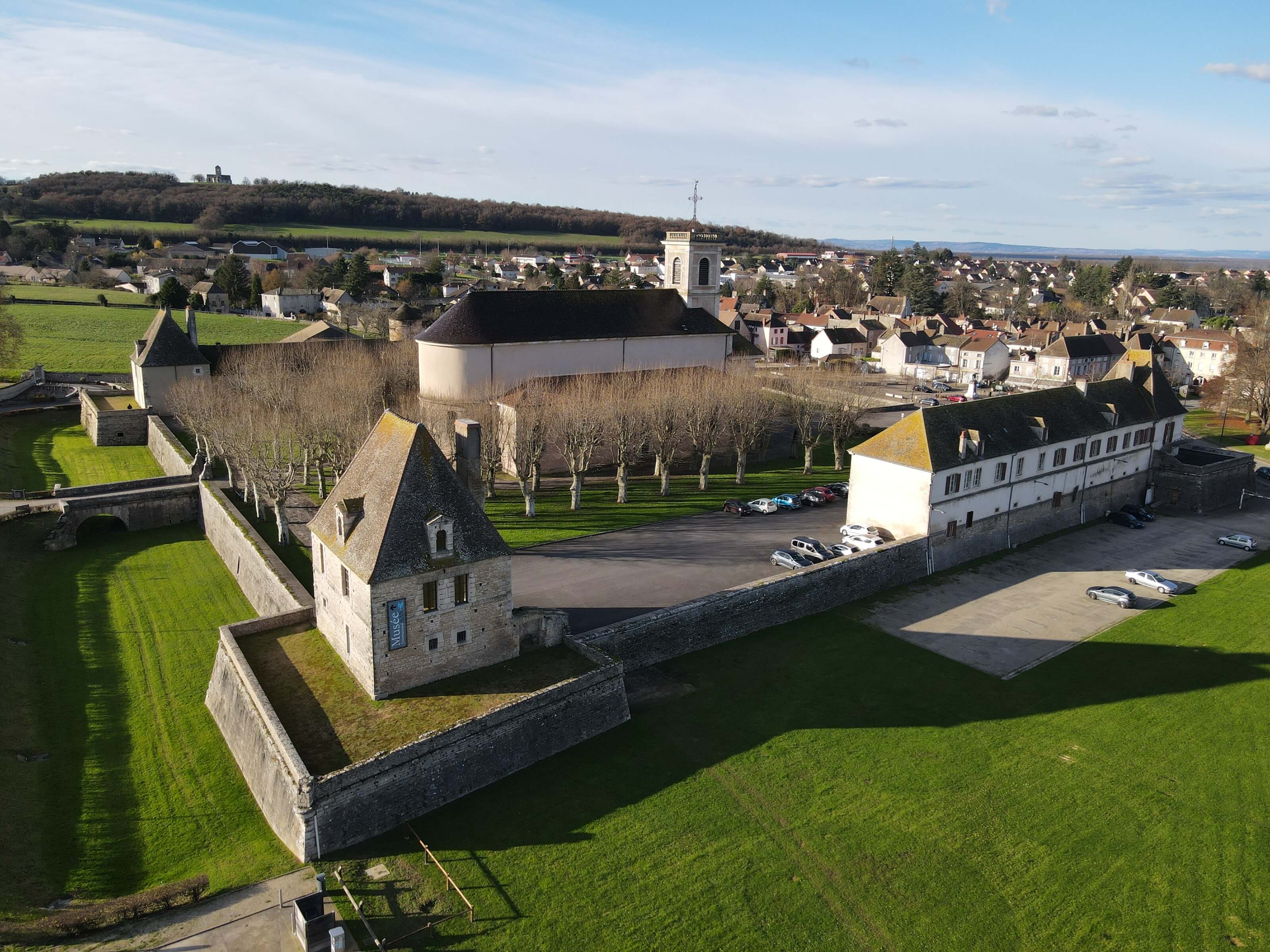
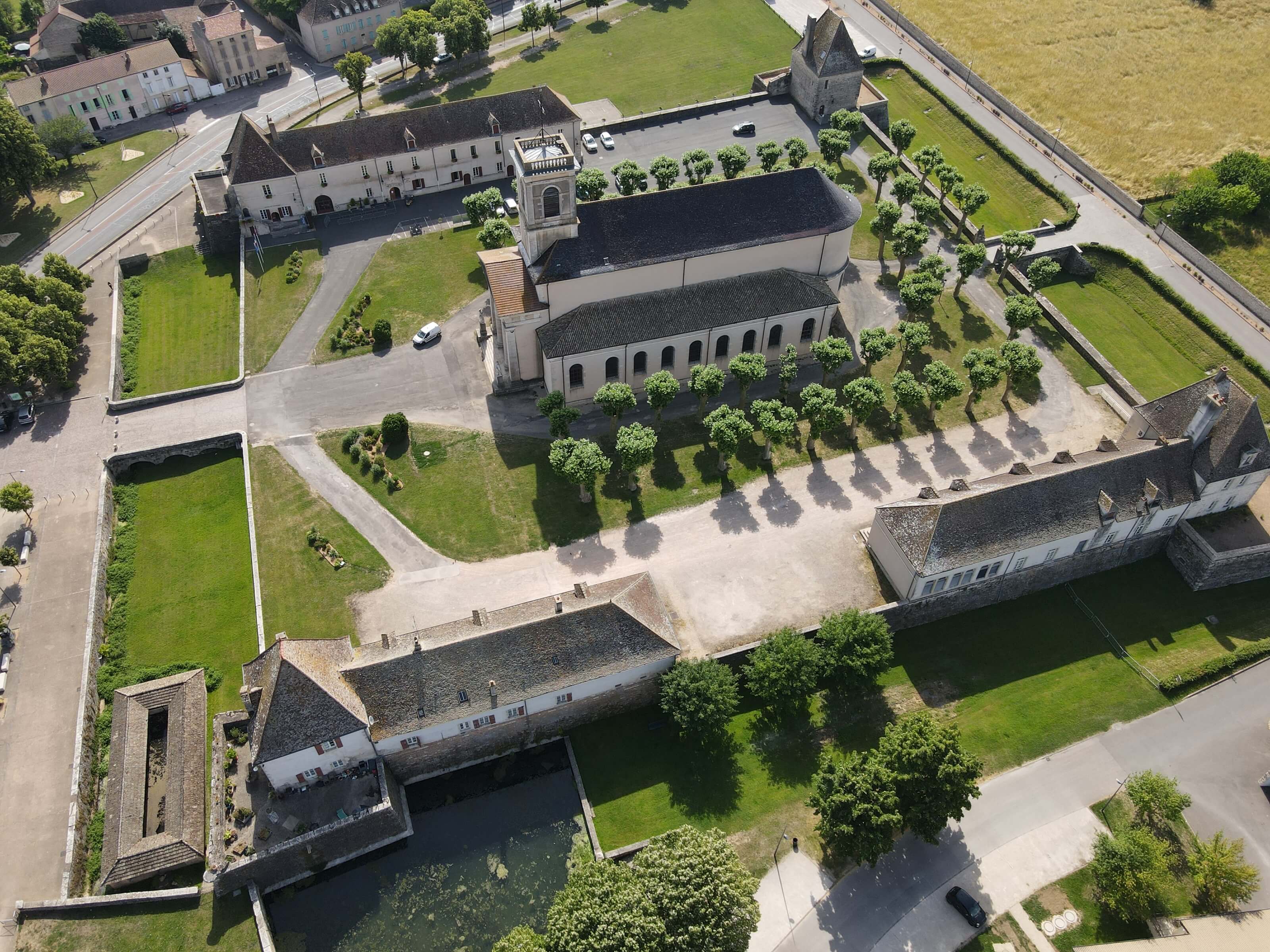
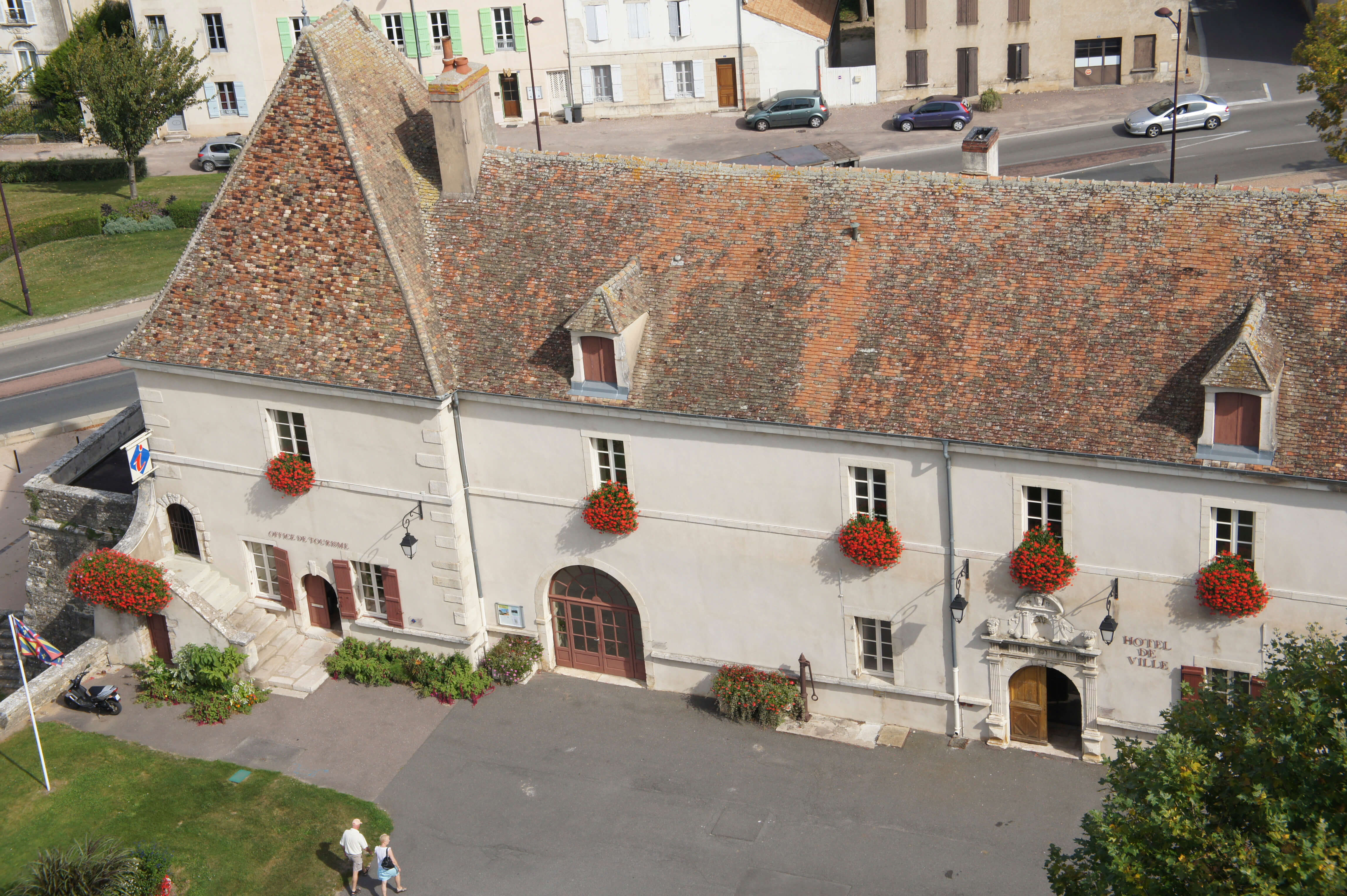
Sennecey-le-Grand Castle was founded as a defensive castle and damaged during regional wars in the early 15th century. Then it was rebuilt and expanded during the 15th and 16th centuries. Today only corner pavilions, traces of walls and moats remain and part of its 16th-century wing now serves as the town hall.
Sennecey-le-Grand Castle was initially constructed as a strategic fortified castle. It was damaged during regional wars in the early 15th century. After these conflicts, reconstruction was completed around 1470, restoring its defensive and residential functions.
In the late 16th century (1592), under the family of Bauffremont-Sennecey, the fortress underwent a major transformation: medieval arrow-slits were replaced by large windows, facades were decorated, and living quarters modernized to reflect noble comfort rather than purely military use.
With time, as feudal warfare waned and the social structure changed, the castle’s defensive purpose lost importance. At the French Revolution, the main building was demolished. The commune acquired the remains in 1824.
Today, visitors can see its surviving pavilions, foundations of walls, parts of the moats and bridges — and a wing dating to 1592 now houses the town hall of Sennecey-le-Grand.
Gallery of Sennecey-le-Grand Castle