
Old Mill Washhouse
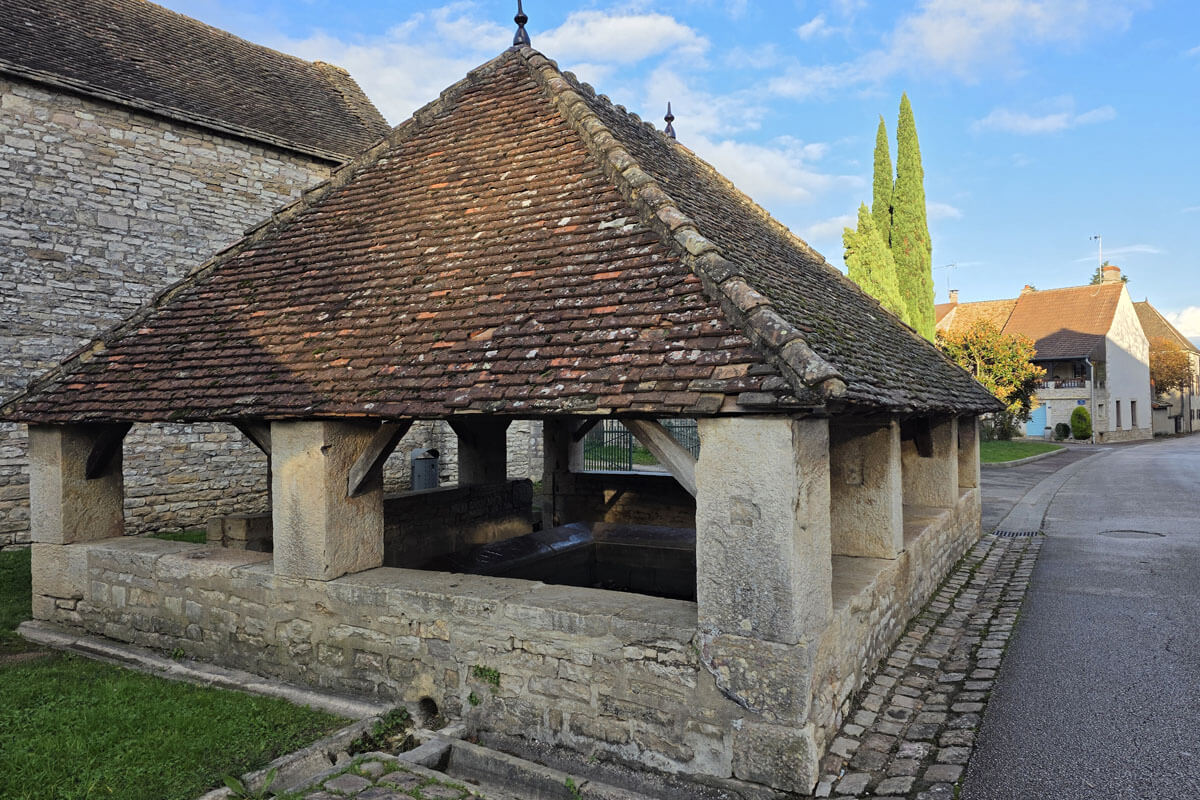
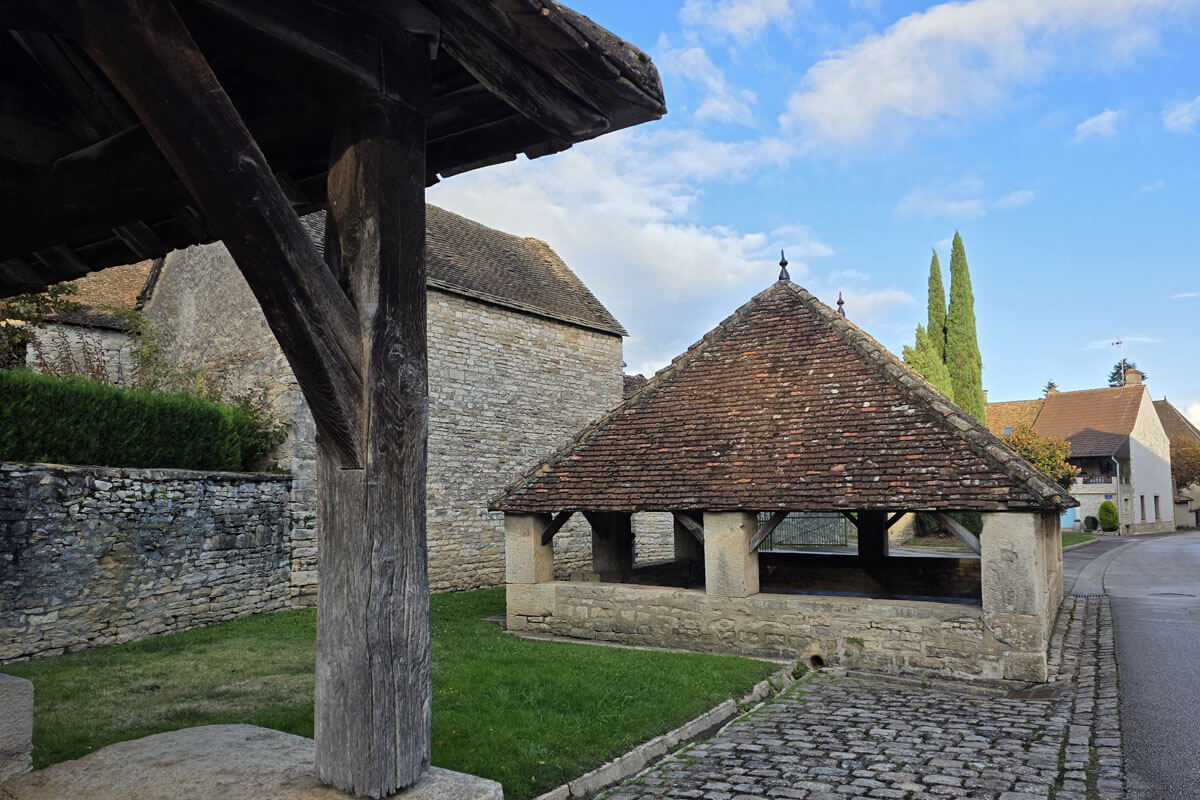
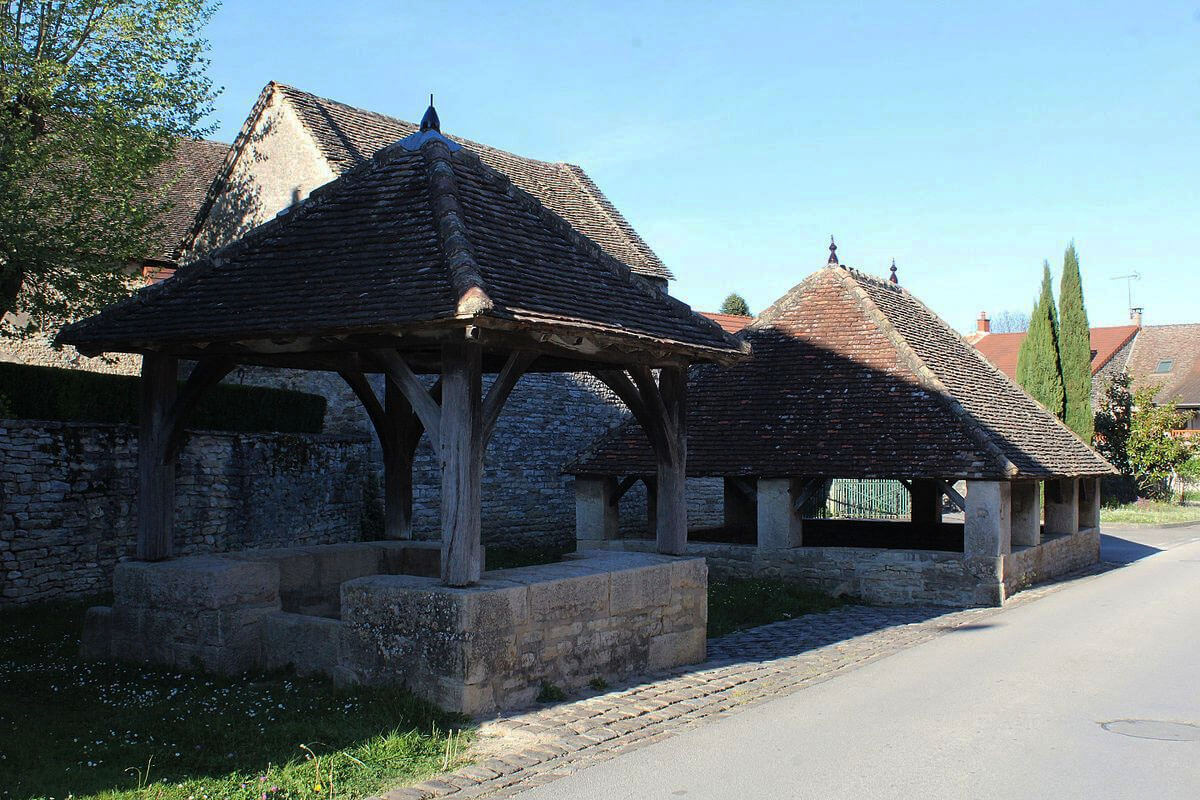
The Old Mill Washhouse, built in 1821 in the hamlet of Viel Moulin, is an open stone-and-wood lavoir with a central rectangular basin and a four-sided tiled roof. Once a communal laundry point, it reflects the village’s historic water-based life and remains a protected heritage structure.
The Old Mill Washhouse, constructed in 1821 and designed by architect Bernard Zolla, stands in the historic hamlet of Viel Moulin. This open-sided structure combines rubble-stone walls, wooden framing, and a four-sided roof covered with traditional flat tiles. At its center lies a large rectangular stone basin that once held water for communal washing, making the lavoir an essential social and practical meeting place. Its position in a mill-related hamlet highlights the area’s close connection to water and daily rural life.
Gallery of Old Mill Washhouse
Geographical location of Old Mill Washhouse
Barony Pump
Barony Pump is a historic stone water pump in Sennecey-le-Grand, built of local limestone and once used as a communal source of fresh water.
Ruffey Washhouse
Ruffey Washhouse is a small rural wash-house set below the road near the old Château de Ruffey. With its square plan, stone basin, and adjoining fountain, it once served as a gathering place where villagers came to wash laundry and share daily news.
St Julien Well
St Julien Well is a 19th-century stone well near the parish church, built with a monolithic rim and stone pilasters. Once serving the nearby washhouse.